
Usee live by SRAN ได้พัฒนาแอปพลิเคชัน Useelive Desktop สำหรับใช้งานบนเครื่องคอมพิวเตอร์ ควบคู่กับการใช้งานผ่านเว็บเบราว์เซอร์ โดยคุณสมบัติด้านการประชุมของทั้งสองรูปแบบเป็นแบบเดียวกัน แต่เวอร์ชันเดสก์ท็อปมีคุณสมบัติเพิ่มเติม 2 ประการ เพื่อรองรับการประชุมที่ต้องการระดับการรักษาความลับสูงขึ้น และงานที่ต้องให้ความช่วยเหลือผู้ใช้ผ่านหน้าจอโดยตรง
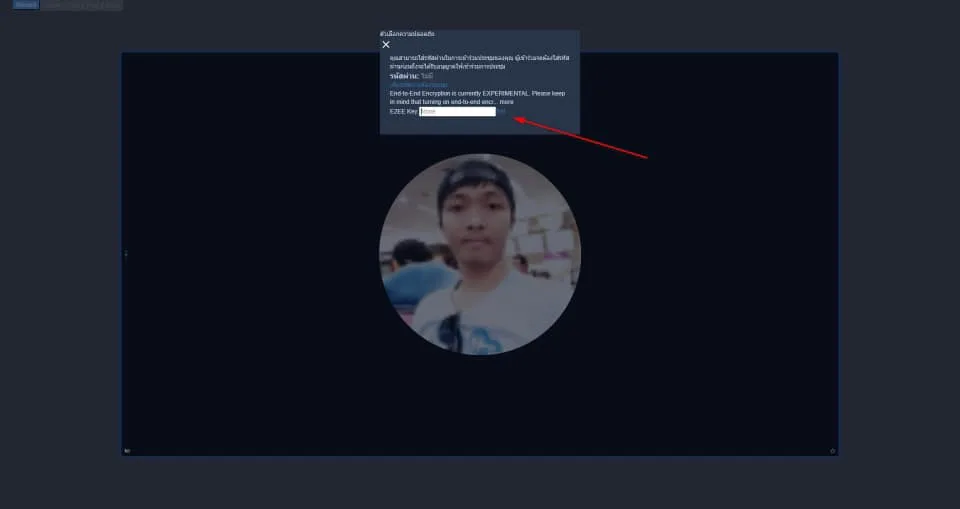
1. การเข้ารหัสแบบปลายทางถึงปลายทาง (End-to-End Encryption)
การเข้ารหัสแบบปลายทางถึงปลายทางช่วยป้องกันการดักรับข้อมูลระหว่างการรับส่งบนเครือข่ายคอมพิวเตอร์ เนื่องจากภาพและเสียงจะถูกเข้ารหัสตั้งแต่เครื่องของผู้ส่ง และถอดรหัสได้เฉพาะที่เครื่องของผู้เข้าร่วมประชุมที่ถือกุญแจเดียวกันเท่านั้น
ผู้ใช้งานสามารถเปิดใช้งานได้จากเมนูตัวเลือกความปลอดภัยของห้องประชุม โดยกำหนดกุญแจเข้ารหัส (E2EE Key) และแจ้งกุญแจดังกล่าวแก่ผู้เข้าร่วมประชุมผ่านช่องทางที่ปลอดภัย ผู้เข้าร่วมประชุมที่ใช้กุญแจเดียวกันจึงจะสามารถรับชมภาพและรับฟังเสียงของกันและกันได้ ทั้งนี้ ในช่วงเวลาที่เผยแพร่ข่าวนี้ คุณสมบัติดังกล่าวยังอยู่ในสถานะทดลองใช้งาน (Experimental)
2. การควบคุมเครื่องคอมพิวเตอร์ระยะไกล (Remote Control)
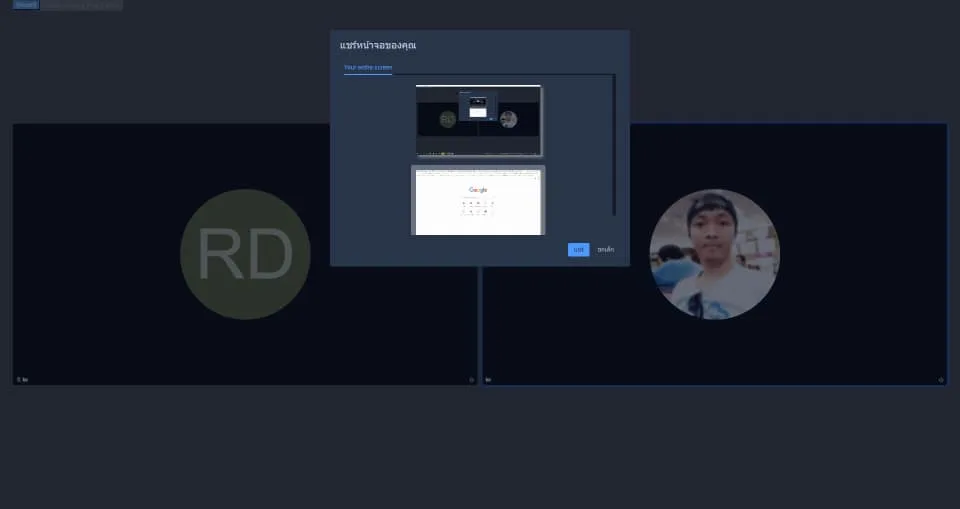
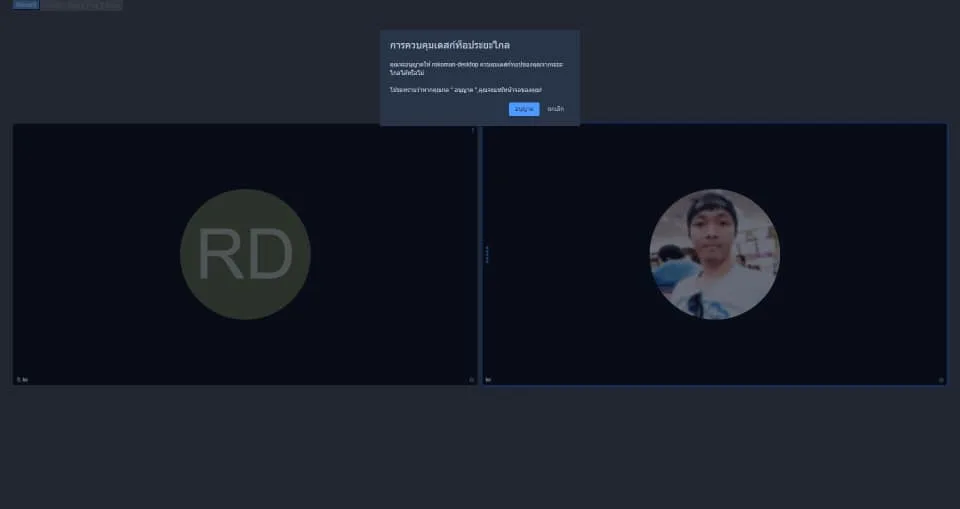
คุณสมบัตินี้ทำงานในลักษณะเดียวกับ Remote Desktop ของระบบปฏิบัติการ Windows โดยผู้เข้าร่วมประชุมที่แบ่งปันหน้าจออยู่สามารถอนุญาตให้ผู้เข้าร่วมอีกฝ่ายควบคุมเครื่องคอมพิวเตอร์ของตนจากระยะไกลได้ ระบบจะแสดงคำขอ "การควบคุมเดสก์ท็อประยะไกล" และจะเริ่มการควบคุมได้ก็ต่อเมื่อเจ้าของเครื่องกดยืนยัน "อนุญาต" เท่านั้น
คุณสมบัตินี้เหมาะสำหรับงานที่ต้องปฏิบัติบนเครื่องของผู้ใช้โดยตรง เช่น
- การให้ความช่วยเหลือด้านเทคนิคและการแก้ไขปัญหาการใช้งาน
- การฝึกอบรมและการสาธิตการใช้งานโปรแกรม
- การทำงานร่วมกันของทีมพัฒนาซอฟต์แวร์
ความปลอดภัยเป็นหลักในการออกแบบ
คุณสมบัติทั้งสองประการสะท้อนแนวทางการพัฒนา Usee live ที่ให้ความสำคัญกับการคุ้มครองข้อมูลของผู้ใช้งาน การเข้ารหัสแบบปลายทางถึงปลายทางช่วยลดความเสี่ยงจากการดักรับข้อมูล ขณะที่การควบคุมเครื่องระยะไกลกำหนดให้เจ้าของเครื่องเป็นผู้ตัดสินใจอนุญาตทุกครั้ง ประสบการณ์ดังกล่าวเป็นพื้นฐานของการพัฒนา USEE ในปัจจุบัน ซึ่งมีแผนนำการเข้ารหัสแบบปลายทางถึงปลายทางมาใช้กับการประชุมผ่านเว็บเบราว์เซอร์ต่อไป
ข้อความจากโพสต์ต้นฉบับ: "ตอนนี้ Useelive Desktop มี feature ที่แตกต่างจากแบบ web แค่ 2 อย่างคือ 1. End-to-End-Encryption ป้องกันการดักรับส่งข้อมูลบนระบบเครือข่ายคอมพิวเตอร์ 2. Remote Control ทำงานเหมือน Remote Desktop ของ Windows #ขอบคุณที่ใช้ของไทยทำ"
Usee live by SRAN developed Useelive Desktop, an application for computers offered alongside the web version. Meetings work the same way in both, but the desktop version adds two capabilities: stronger confidentiality for sensitive meetings, and hands-on help directly on a user’s screen.
1. End-to-end encryption
End-to-end encryption protects meetings against interception on the network: audio and video are encrypted on the sender’s computer and can only be decrypted by participants who hold the same key.
It is enabled from the room’s security options by setting an E2EE key, which the organiser shares with participants through a secure channel. Only participants using the same key can see and hear each other. At the time of this announcement the feature was marked experimental.
2. Remote desktop control
This works like Windows Remote Desktop. A participant who is sharing their screen can allow another participant to control their computer. The app shows a “remote desktop control” request, and control starts only after the owner of the computer selects “Allow”.
Typical uses:
- Technical support and troubleshooting
- Training and software demonstrations
- Collaboration within software development teams
Security by design
Both capabilities reflect the principle behind Usee live: protecting users’ data. End-to-end encryption reduces the risk of interception, and remote control always leaves the decision with the owner of the computer. This experience underpins today’s USEE, which plans to bring end-to-end encryption to meetings in the web browser.
ภาพPhotos
ที่มา: เพจ Usee live เผยแพร่เมื่อ 9 กรกฎาคม 2563 · 18:26 น.Source: the Usee live page, 9 July 2020 · 18:26 (UTC+7)